-
Why Does Coffee Taste Better in the Morning? Science & Ritual
 There is a universal truth shared by coffee lovers from Antigua to Amsterdam: that first cup of the day simply hits differently. It’s brighter, more aromatic, and more satisfying than any cup consumed at 3:00 PM. But is it just in your head, or is there a physical reason for this phenomenon? Coffee tastes better in the morning because your sensory receptors are at...
 -
Coffee Brewing Temperature: Why 195–205°F is the Gold Standard
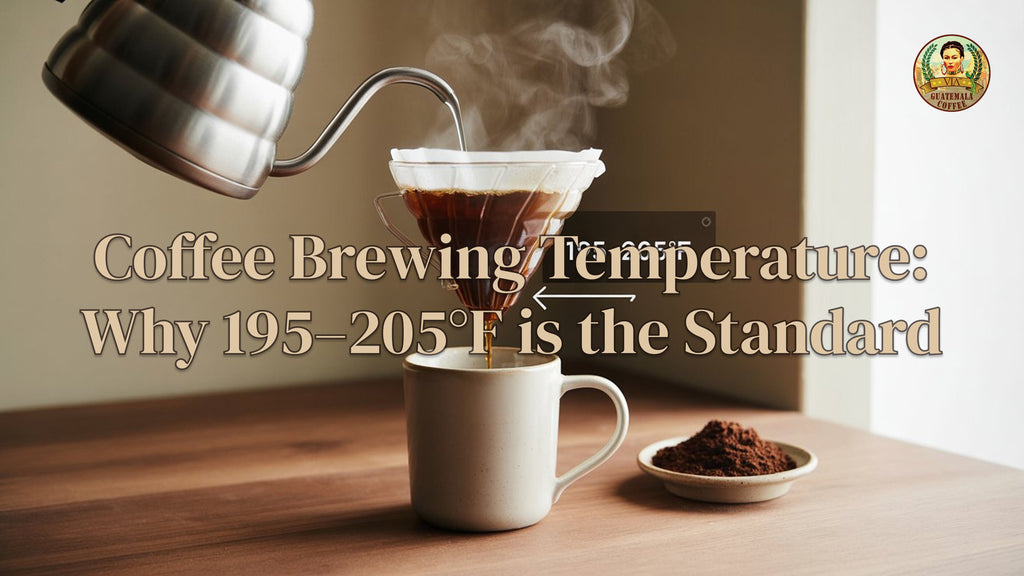 The best coffee brewing temperature is 195–205°F (90–96°C). This specific range ensures that flavor compounds are extracted evenly, preventing the coffee from becoming overly bitter or unpleasantly sour. Brewing outside this window leads to poor extraction, which significantly alters the taste, aroma, and body of your cup. What Is the Best Temperature for Brewing Coffee? The best temperature for brewing coffee is between 195°F...
 -
Does Water Quality Affect Coffee Taste? Best Water for Brewing
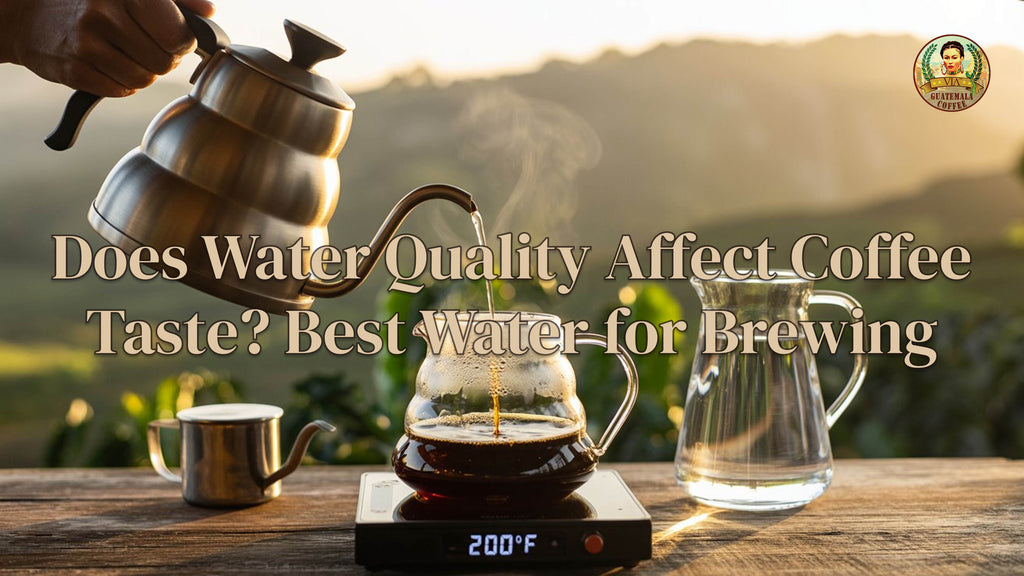 You’ve sourced the finest beans, mastered your grind size, and invested in a high-quality brewer. But if your morning cup still tastes "off"—perhaps a bit flat, overly bitter, or strangely metallic—the culprit is likely hiding in plain sight. Does water quality affect coffee taste? The short answer is a resounding yes. In fact, since a standard cup of coffee is over 98% water, the...
 -
Why Does My Coffee Taste Sour or Bitter? (And How to Fix It)
 There is nothing more disappointing than anticipating a rich, aromatic cup of coffee only to take a sip and find it unpleasantly sharp or harshly burnt. If you’ve ever wondered why your coffee tastes sour or bitter, the answer usually lies in a process called extraction. Simply put, coffee tastes sour when it is under-extracted (the water didn’t pull enough flavor out), and coffee...