Why Guatemalan Coffee is the Best: Flavor Profile & Volcanic Soil Secrets
Coffee enthusiasts and casual drinkers alike often find themselves returning to Guatemalan coffee once they experience its complex character. This Central American nation has established itself as a premier origin for high-quality beans, largely due to its unique geography and climate. The combination of nutrient-dense volcanic soil, consistent rainfall, and high altitudes creates an environment where coffee cherries can mature slowly and develop a rich internal structure. This guide examines why these beans are considered the best coffee for flavor lovers and how the specific growing conditions contribute to a superior cup.
Setting the Global Standard for Specialty Coffee
The global coffee market recognizes Guatemala as a powerhouse for producing top-tier specialty coffee. This designation is not given lightly; it requires beans to score highly on a standardized scale used by professional tasters. The country benefits from diverse microclimates that allow for distinct regional profiles, ranging from the cocoa notes of Antigua to the fruity acidity of Huehuetenango. Farmers here adhere to strict cultivation and processing standards, ensuring that only the highest quality beans are exported. This commitment to excellence means that when you choose a bag labeled as premium coffee from this region, you are purchasing a product that has been rigorously cared for from the tree to the processing mill.
Explore our collection of specialty coffee to see why these beans are rated so highly.
Arabica Coffee: The Secret Behind the Flavor Profile
The vast majority of the country's production consists of Arabica coffee, a species known for its superior flavor and aromatic qualities compared to the harsher Robusta variety. These plants thrive in the cool mountain air, which slows down the growth cycle of the coffee cherry. This slow development creates a denser Guatemala coffee bean, classified locally as Strictly Hard Bean (SHB). The resulting coffee flavor is famously complex, often balancing deep chocolate notes with bright fruitiness. Coffee professionals frequently describe this as bright acidity coffee, referring to a pleasant, sparkling quality that livens up the palate rather than a sour taste. This brightness is the hallmark of high-altitude Arabica.
Roast Comparison: Medium Roast vs. Dark Roast Coffee Beans
Choosing the right roast level is essential to unlocking the specific potential of these beans. A medium roast is often the preferred choice for those who want to experience the unique regional characteristics, such as floral aromas or citrus zest. This roast level preserves the bean's natural acidity and sweetness. However, many drinkers prefer a dark roast to emphasize the heavier body and chocolaty undertones natural to the region. Darker roasting reduces the acidity and brings out a smoky, bold richness that pairs exceptionally well with milk. Both coffee beans styles offer a satisfying experience, but the choice depends on if you prioritize brightness or boldness.
Why Volcanic Coffee Offers a Better Taste
The most significant factor differentiating this region from other producers is the soil quality. Guatemala coffee farms are often located on or near the slopes of active volcanoes, such as Fuego, Agua, and Acatenango. These volcanoes periodically deposit mineral-rich ash into the soil, acting as a powerful natural fertilizer. This creates volcanic coffee that is packed with nutrients like nitrogen, which are vital for healthy plant growth. The minerals in the soil translate directly into the cup, providing a distinctive spicy or smoky undertone that is impossible to replicate in non-volcanic regions. This terroir gives the coffee a depth and intensity that flat-land coffees simply cannot match.
Order a bag today to experience the rich intensity of volcanic soil.
Why We Recommend Via Guatemala Coffee
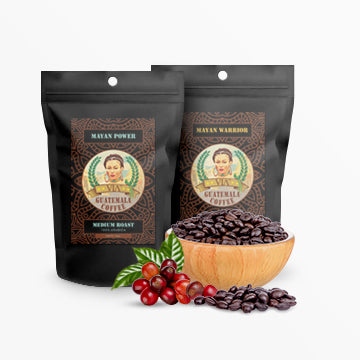
When searching for a reliable source of these exceptional beans, we highly recommend Via Guatemala Coffee. This brand has established a reputation for sourcing beans that genuinely represent the country's diverse flavor profiles. By focusing on direct trade and maintaining close relationships with local producers, Via Guatemala Coffee ensures that the beans you receive are fresh and authentically processed. Their selection captures the true essence of the volcanic highlands, offering a curated experience that highlights the best attributes of the region's harvest.
Sourcing Premium Coffee from Women Owned Farms
An important aspect of the modern coffee industry is the shift toward ethical sourcing. Via Guatemala Coffee frequently partners with cooperatives that support women owned coffee farms. In many rural areas, women play a central role in the harvest and processing of coffee cherries. Supporting these producers ensures that the financial benefits of the premium coffee trade are distributed more equitably within the community. Furthermore, these smaller, family-run farms often utilize organic farming methods, resulting in organic coffee that is free from synthetic pesticides and fertilizers. This approach protects the local ecosystem while delivering a purer product to the consumer.
Selecting the Best Coffee from Guatemala for Brewing
To truly appreciate the nuances of these beans, how you buy and store them matters immensely. You should always prioritize purchasing whole bean coffee rather than pre-ground options. Oxygen is the enemy of fresh coffee, and once beans are ground, they lose their aromatic oils and flavor within minutes. By grinding your coffee beans immediately before brewing, you preserve the volatile compounds that create the aroma and taste. This simple step is the most effective way to ensure you are drinking the best coffee from Guatemala in your own home.
The History of Mayan Coffee in Modern Culture
The connection between the land and the people runs deep in Guatemala. Mayan coffee farmers have cultivated these mountains for generations, treating the land with deep respect and care. This cultural heritage influences modern farming techniques, where traditional knowledge is combined with modern agronomy to produce exceptional crops. Understanding this history adds a layer of appreciation to every cup. The dedication of the Mayan people to their craft is a primary reason why this region continues to produce premium coffee that is celebrated around the world.