Mastering Drip Coffee: Tips for the Perfect Brew Every Time

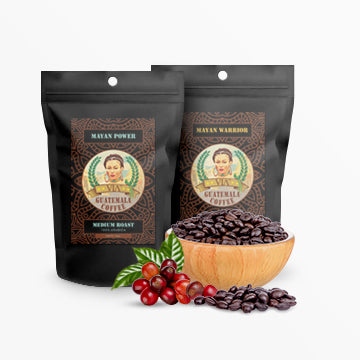
Choosing the right coffee beans is the foundation of mastering drip coffee. Coffee beans come from different regions around the world, each contributing distinct flavor profiles. For instance, beans from Ethiopia are known for their fruity and floral notes, while those from Colombia often exhibit a balanced sweetness and nuttiness. Understanding these regional differences can help you select beans that match your taste preferences.
In addition to regional variations, the roast level significantly affects the flavor of your coffee. Light roasts tend to preserve the bean's natural characteristics, offering brighter acidity and more complex flavors. Medium roasts strike a balance, providing a harmonious blend of acidity and body. Dark roasts, on the other hand, emphasize bold, robust flavors with a heavier body and less acidity. Experimenting with different roast levels can help you discover the perfect flavor profile for your drip coffee.
Furthermore, freshness is crucial. Coffee beans lose their flavor and aroma over time, so it's essential to use freshly roasted beans. Ideally, you should consume coffee beans within two to three weeks of roasting. Storing beans in an airtight container away from light, heat, and moisture will help maintain their freshness. By paying attention to the origin, roast level, and freshness of your coffee beans, you can significantly enhance the quality of your drip coffee.
The Importance of Grind Size for Drip Coffee
Grind size is a critical factor that can make or break your drip coffee. The grind size determines how quickly the water extracts flavors from the coffee grounds. For drip coffee, a medium grind is generally recommended, as it provides a balance between extraction time and flavor. If the grind is too coarse, the water will pass through too quickly, resulting in under-extracted coffee that tastes weak and sour. Conversely, if the grind is too fine, the water will take too long to pass through, leading to over-extraction and a bitter, unpleasant taste.
Investing in a quality burr grinder can make a significant difference in achieving a consistent grind size. Burr grinders crush the beans between two abrasive surfaces, resulting in uniform particles. This consistency ensures even extraction and a more balanced cup of coffee. Blade grinders, on the other hand, chop the beans unevenly, leading to inconsistent extraction and a less desirable flavor.
It's also worth noting that grind size can be adjusted based on your personal taste preferences. If you prefer a stronger, more robust flavor, you might opt for a slightly finer grind. Conversely, if you enjoy a lighter, more delicate brew, a slightly coarser grind may be more to your liking. Experimenting with grind size allows you to fine-tune your drip coffee to achieve the perfect balance of flavors.
Water Quality and Temperature: Key Factors in Brewing
The quality of water used in brewing drip coffee can significantly impact the taste of your final cup. Water makes up about 98% of a cup of coffee, so it's crucial to use clean, filtered water. Tap water that contains high levels of minerals or chlorine can impart unwanted flavors to your coffee. Using a water filter or bottled water with a balanced mineral content can help ensure a purer, more pleasant taste.
Temperature is another critical factor in the brewing process. The ideal temperature for brewing drip coffee is between 195°F and 205°F (90°C to 96°C). Water that is too hot can over-extract the coffee, resulting in a bitter and harsh flavor. Conversely, water that is too cool can under-extract the coffee, leading to a weak and sour taste. Using a thermometer to monitor the water temperature or investing in a coffee maker with precise temperature control can help you achieve the optimal brewing temperature.
Water-to-coffee ratio is also essential for achieving the perfect brew. A general guideline is to use one to two tablespoons of coffee per six ounces of water. However, this ratio can be adjusted based on your taste preferences. If you prefer a stronger cup, you can increase the amount of coffee. Conversely, if you prefer a milder flavor, you can reduce the amount of coffee. Experimenting with different ratios will help you find the perfect balance for your ideal cup of drip coffee.
The Drip Coffee Maker: Choosing the Right Equipment
Selecting the right drip coffee maker is crucial for achieving consistently great coffee. There are various types of drip coffee makers, each with its own set of features and benefits. For example, basic models are straightforward and easy to use, but they may lack advanced features like temperature control and programmable settings. On the other hand, high-end models offer precise temperature control, customizable brew strength, and even integrated grinders for a more tailored coffee experience.
When choosing a drip coffee maker, consider the capacity and size. If you're brewing coffee for a large family or frequently entertaining guests, a machine with a larger carafe may be more suitable. Conversely, if you only need a few cups each morning, a smaller, more compact model may be the better choice. Additionally, consider the ease of cleaning and maintenance. Some models come with removable parts that are dishwasher-safe, making the cleaning process more convenient.
Another essential feature to consider is the brew cycle time. Faster isn't always better when it comes to drip coffee, as a longer brew cycle allows for more thorough extraction of flavors. Some high-end models offer a "pre-infusion" feature, which wets the coffee grounds before the full brew cycle begins, helping to release trapped gases and enhance flavor extraction. By carefully considering your needs and preferences, you can choose a drip coffee maker that will help you brew the perfect cup every time.
Step-by-Step Guide to Brewing the Perfect Drip Coffee
Brewing the perfect drip coffee involves a series of precise steps that, when followed correctly, result in a delicious and satisfying cup. Start by measuring your coffee grounds and water. As a general guideline, use one to two tablespoons of coffee per six ounces of water. Adjust this ratio based on your taste preferences.
Next, ensure your drip coffee maker is clean and free of any old coffee residue. Place a paper filter in the machine's filter basket and add the measured coffee grounds. It's essential to use a quality paper filter to prevent grounds from ending up in your coffee and to promote even extraction. If your coffee maker has a pre-infusion setting, use it to wet the coffee grounds before the full brew cycle begins. This step helps release trapped gases and ensures even extraction.
Fill the machine's water reservoir with clean, filtered water and start the brewing process. Monitor the water temperature to ensure it stays within the ideal range of 195°F to 205°F (90°C to 96°C). Once the brewing cycle is complete, pour yourself a cup and enjoy the rich, flavorful coffee you've created. By following these steps and paying attention to details like grind size, water quality, and temperature, you can consistently brew the perfect cup of drip coffee.
Common Mistakes to Avoid When Brewing Drip Coffee
Even the most experienced coffee enthusiasts can make mistakes when brewing drip coffee. One common mistake is using stale coffee beans. Coffee beans lose their flavor and aroma over time, so it's crucial to use freshly roasted beans and store them properly. Another mistake is using the wrong grind size. As mentioned earlier, a medium grind is generally recommended for drip coffee. Using a grind that is too coarse or too fine can result in under-extracted or over-extracted coffee.
Water quality and temperature are also common pitfalls. Using tap water that contains high levels of minerals or chlorine can impart unwanted flavors to your coffee. Additionally, brewing with water that is too hot or too cool can lead to poor extraction and an unbalanced flavor. Investing in a water filter and a thermometer or a coffee maker with precise temperature control can help you avoid these issues.
Another frequent mistake is not cleaning your coffee maker regularly. Coffee oils and residue can build up over time, affecting the taste of your coffee. It's essential to clean your coffee maker according to the manufacturer's instructions and descale it periodically to remove mineral buildup. By avoiding these common mistakes and paying attention to the details, you can consistently brew a delicious cup of drip coffee.
Enhancing Your Drip Coffee: Additives and Flavorings
While a perfectly brewed cup of drip coffee can be delightful on its own, sometimes you might want to experiment with additives and flavorings to enhance your coffee experience. One popular additive is milk or cream, which can add richness and smoothness to your coffee. Whether you prefer whole milk, half-and-half, or non-dairy alternatives like almond or oat milk, adding a splash can create a more indulgent drink.
Sweeteners are another way to customize your coffee. Traditional options like sugar and honey can add sweetness, while flavored syrups like vanilla, caramel, or hazelnut can introduce exciting new dimensions to your coffee. For those who enjoy a spicier kick, adding a pinch of cinnamon or nutmeg can complement the coffee's natural flavors and add a warm, aromatic touch.
For a more exotic twist, consider adding a drop of pure vanilla extract or a sprinkle of cocoa powder to your coffee. These additions can elevate the flavor profile and make your morning cup feel like a special treat. Whether you prefer your coffee black or enjoy experimenting with different additives, the key is to find the combination that best suits your taste preferences.
Cleaning and Maintaining Your Drip Coffee Maker
Proper cleaning and maintenance of your drip coffee maker are essential for ensuring consistently great coffee. Over time, coffee oils and residue can build up in your machine, affecting the taste of your coffee. To prevent this, it's important to clean your coffee maker regularly according to the manufacturer's instructions. This typically involves washing removable parts like the carafe, filter basket, and water reservoir with warm, soapy water.
In addition to regular cleaning, descaling your coffee maker periodically is crucial for removing mineral buildup. This buildup can occur from using tap water, especially in areas with hard water. Descaling solutions are available commercially, or you can use a mixture of equal parts white vinegar and water. Run this solution through a brewing cycle, followed by several cycles of clean water to rinse out any remaining vinegar taste.
It's also a good idea to replace your coffee maker's water filter regularly if it has one. This helps ensure that the water used in brewing is clean and free of impurities. By maintaining your drip coffee maker and keeping it clean, you can ensure that every cup of coffee you brew is as delicious as the first.
Conclusion: Enjoying Your Perfect Brew
Mastering the art of drip coffee involves attention to detail and a willingness to experiment. By understanding the impact of different coffee beans, grind sizes, water quality, and brewing temperatures, you can create a cup of coffee that is perfectly tailored to your taste preferences. Choosing the right equipment and following a precise brewing process are also crucial steps in achieving the perfect brew.
Avoiding common mistakes and maintaining your coffee maker are essential for consistently great coffee. Whether you enjoy your coffee black or with a variety of additives and flavorings, the key is to find what works best for you. With the right knowledge and techniques, you can elevate your morning ritual and enjoy a rich, flavorful cup of drip coffee every time.
In conclusion, the journey to mastering drip coffee is both an art and a science. It requires a combination of the right ingredients, precise measurements, and careful attention to detail. By following the tips and guidelines outlined in this article, you can unlock the secrets of perfect drip coffee brewing and enjoy a delicious, satisfying cup every time. Happy brewing!