Coffee Heritage of Guatemala: Flavor, Culture, Impact
 Every ethically-minded coffee buyer knows that origin matters, but Guatemalan coffee offers far more than distinct flavors. The story of this Central American nation’s coffee is shaped by generations of Mayan heritage, Spanish influence, and resilient smallholding farmers dedicated to sustainable craftsmanship. With coffee production declared an intangible national heritage in 2018 and supporting over 125,000 families, the journey behind each bean is a profound cultural experience that connects land, community, and tradition.
Key Takeaways

Defining Guatemalan Coffee Heritage and Traditions
Guatemalan coffee represents far more than a simple agricultural product - it is a profound cultural narrative woven through generations of agricultural innovation and resilience. Coffee production's historical significance fundamentally transformed Guatemala's social and economic landscape, creating a rich tradition that extends beyond mere commodity production.
The heritage of Guatemalan coffee is deeply rooted in complex historical interactions between indigenous Mayan communities, Spanish colonial influences, and emerging agricultural entrepreneurship. These interactions shaped not just agricultural practices, but entire social structures and economic systems. Key characteristics of this heritage include:
-
Intricate relationships between coffee farming and cultural identity
-
Preservation of traditional cultivation methods passed through generations
-
Commitment to sustainable and community-driven agricultural practices
-
Unique regional flavor profiles reflecting diverse microclimates
Today, coffee remains a critical national heritage that supports over 125,000 families and represents a profound connection to land, community, and cultural identity. The recognition of coffee production as an intangible national heritage in 2018 underscores its profound cultural significance beyond economic metrics.
Pro tip: When exploring Guatemalan coffee, look beyond the flavor and appreciate the rich cultural narrative embedded in every carefully cultivated bean.
Distinct Coffee Regions and Flavor Profiles

Guatemala's coffee landscape is a remarkable tapestry of microclimates and terrains, each contributing unique flavor characteristics that define the country's exceptional coffee heritage. Distinctive regional characteristics create a complex spectrum of taste profiles that reflect the intricate geographical diversity of this Central American nation.
The primary coffee-growing regions in Guatemala offer extraordinary diversity in flavor and quality:
-
Antigua: Known for smooth, nuanced coffees with chocolate and caramel notes
-
Huehuetenango: Produces bright, wine-like coffees with intense acidity
-
Cobán: Generates soft, delicate coffees with subtle floral undertones
-
Atitlán: Creates full-bodied coffees with rich, complex flavor profiles
-
San Marcos: Develops sweet coffees with pronounced fruit and berry characteristics
Altitude plays a critical role in defining these regional differences, with most Guatemalan coffee grown between 4,000 and 6,500 feet above sea level. This elevation contributes to slower bean maturation, which intensifies flavor complexity and enhances the beans' inherent sweetness and acidity.

Here's how Guatemala's main coffee regions compare in terms of taste and geography:
 Pro tip: When exploring Guatemalan coffee, sample beans from different regions to experience the remarkable range of flavor profiles within this extraordinary coffee-producing country.
Processing Methods and Sustainable Cultivation
Guatemalan coffee production represents a sophisticated blend of traditional techniques and modern sustainable agricultural practices. Innovative cultivation approaches are transforming the landscape of coffee production, focusing on environmental stewardship and quality enhancement.
The primary processing methods in Guatemala include:
-
Wet Processing (Washed): Removes fruit pulp before drying, creating clean and bright flavor profiles
-
Dry Processing (Natural): Allows coffee cherries to dry completely before removing the outer layers, producing more intense and complex flavors
-
Honey Processing: A hybrid method leaving some fruit mucilage on beans during drying, creating unique sweetness
Sustainable cultivation practices are integral to Guatemalan coffee production. Farmers increasingly adopt environmentally conscious techniques such as:
-
Shade-grown coffee cultivation
-
Rust-resistant seed variety development
-
Water conservation methods
-
Organic fertilization approaches
-
Biodiversity preservation in coffee ecosystems
Sustainable coffee farming is not just about production - it's about preserving cultural heritage and protecting environmental ecosystems.
Pro tip: When selecting Guatemalan coffee, prioritize beans from farms implementing comprehensive sustainability practices to support both environmental conservation and local community development.
Summary of how sustainable practices impact Guatemalan coffee farming:

Social Impact on Farmers and Communities
High-end coffee production has become a transformative economic force for Guatemala's rural communities, particularly for indigenous smallholding farmers in highland regions. This agricultural sector represents more than just economic opportunity - it's a pathway to social empowerment and community resilience.
Key social impacts of coffee farming:
-
Economic stabilization for rural families
-
Preservation of indigenous agricultural traditions
-
Creation of sustainable livelihood opportunities
-
Enhanced community infrastructure development
-
Increased educational access for farming communities
The economic landscape for smallholder farmers has dramatically shifted, with approximately 50,000 farmers now participating in premium coffee markets. These farmers are no longer passive agricultural workers but active participants in a global economic ecosystem that values their expertise and cultural heritage.
Coffee farming is not just a profession - it's a critical mechanism for social transformation and community development in rural Guatemala.
Community-driven initiatives have emerged, focusing on:
-
Cooperative farming models
-
Skill development programs
-
Fair trade certification
-
Direct market access strategies
-
Community reinvestment initiatives
Pro tip: When purchasing Guatemalan coffee, seek brands that demonstrate transparent and direct support for smallholder farming communities.
Challenges, Risks, and Ethical Sourcing
Coffee cultivation challenges in Guatemala represent a complex landscape of environmental, economic, and social vulnerabilities that demand innovative and compassionate solutions. The coffee sector faces multifaceted risks that threaten both agricultural sustainability and farmer livelihoods.
Primary challenges confronting Guatemalan coffee production include:
-
Coffee leaf rust affecting 70% of coffee lands
-
Climate change disrupting traditional growing patterns
-
Limited access to quality planting materials
-
Insufficient agricultural infrastructure
-
Economic volatility in global coffee markets
The historical context of these challenges runs deep. Social inequalities in coffee production originate from colonial land appropriation and labor dynamics that continue to impact contemporary farming communities. Ethical sourcing initiatives must navigate these complex historical legacies while supporting sustainable development.
Ethical sourcing is not just about purchasing coffee - it's about supporting entire ecosystems of human dignity and environmental preservation.
Key strategies for addressing these challenges:
-
Developing rust-resistant coffee varieties
-
Implementing comprehensive farmer support programs
-
Creating transparent supply chain mechanisms
-
Investing in community-driven agricultural education
-
Supporting fair labor and land access practices
Pro tip: When selecting Guatemalan coffee, prioritize brands demonstrating comprehensive support for farmer resilience and sustainable agricultural practices.
Discover the True Spirit of Guatemalan Coffee Today
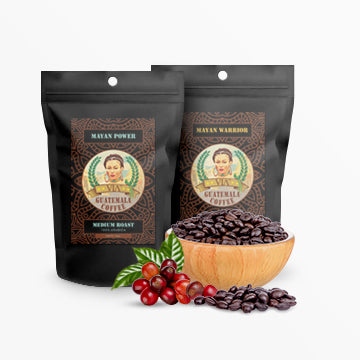
Guatemalan coffee is more than a flavor experience it is a story of culture resilience and sustainable farming that supports thousands of smallholder farmers. If you appreciate coffee with rich heritage and unique regional profiles like those from San Marcos Antigua and Lake Atitlán your journey begins here. At Via Guatemala Coffee we offer premium ethically sourced beans that reflect the very traditions and sustainable practices celebrated in the article. Our selection connects you directly with the farmers' stories and their dedication to quality and community.
Experience these exceptional coffees by exploring our Buy Premium Guatemala Coffee - Via Guatemala Coffee collection featuring exquisite varieties. Prefer specific tastes such as medium roasts from San Marcos or rich dark volcanic Arabica beans Discover our Medium Roast Guatemala Coffee | San Marcos Beans | Via Guatemala and Rich Dark Roast Guatemala Coffee | Volcanic Arabica Beans | Via Guatemala selections. Act now to support sustainable farming and immerse yourself in Guatemala’s vibrant coffee heritage by visiting Via Guatemala Coffee and savor the flavors that empower communities.
Frequently Asked Questions
What makes Guatemalan coffee unique compared to other coffee varieties?
Guatemalan coffee is distinct due to its diverse microclimates, which contribute unique flavor profiles influenced by factors such as elevation and regional characteristics. Each region offers specific taste notes, like chocolate, caramel, or floral undertones.
How does altitude affect the flavor of Guatemalan coffee?
The altitude at which Guatemalan coffee is grown, typically between 4,000 and 6,500 feet, leads to slower maturation of the coffee beans. This process enhances flavor complexity and intensifies the beans' sweetness and acidity, resulting in richer taste profiles.
What processing methods are commonly used in Guatemalan coffee production?
The primary processing methods include wet (washed), dry (natural), and honey processing. Each method impacts the flavor: wet processing creates clean profiles, dry processing enhances intensity, and honey processing adds unique sweetness.
How do sustainable practices impact coffee farming in Guatemala?
Sustainable practices in Guatemalan coffee farming, such as shade-grown cultivation and organic fertilization, not only help preserve the environment but also support community development and improve farmer livelihoods by promoting healthier ecosystems.