Guatemala Coffee Regions Guide: How Each Region Shapes Flavor and Acidity

Guatemala's coffee-growing landscape is unlike anywhere else in the world. Divided into eight distinct regions, each area produces beans with unique characteristics shaped by volcanic soil, dramatic elevation changes, and localized microclimates. Understanding these regional differences helps you connect specific flavor profiles to your brewing preferences and taste expectations. This guide explains how each Guatemalan coffee region influences what ends up in your cup.
For help choosing the best Guatemalan coffee overall, start with our complete Guatemalan coffee guide.
Why Coffee Regions Matter in Guatemala
Coffee doesn't taste the same everywhere it grows, and Guatemala proves this principle dramatically. Three primary factors create the diversity found across Guatemalan coffee regions:
Elevation determines acidity and bean density. Higher-altitude coffees develop more slowly, creating denser beans with brighter, more complex acidity. Lower elevations produce softer, mellower profiles with less pronounced sharpness.
Volcanic soil adds sweetness and body. Guatemala's volcanic geography enriches the soil with minerals that translate directly into cup sweetness and fuller body. Active and dormant volcanoes throughout the country create varying mineral compositions that subtly shift flavor characteristics.
Climate shapes fruit versus chocolate notes. Regions with distinct wet and dry seasons tend toward cleaner, fruitier profiles. Areas with consistent cloud cover or rainfall develop deeper, earthier flavors with chocolate and spice undertones.
These elements combine differently across Guatemala's geography, creating regional fingerprints that experienced coffee drinkers can identify in blind tastings.
Map Overview of Guatemala Coffee Regions

Guatemala recognizes eight official coffee-growing regions, each with protected geographical indication status. While all eight produce exceptional coffee, their flavor profiles fall into recognizable categories: bright and fruity, chocolate-forward and balanced, or complex and wine-like.
The regions are distributed across Guatemala's volcanic highlands, ranging from the western mountains near the Mexican border to the eastern regions approaching Honduras. Elevation ranges from approximately 4,000 feet to over 6,500 feet above sea level.
Below is a region-by-region breakdown of what to expect in the cup.
The 8 Coffee Regions of Guatemala
1. Antigua

Location & Elevation: Central Guatemala, surrounded by three volcanoes; 4,600–5,600 feet
Climate & Soil: Volcanic soil with excellent drainage, distinct dry season, cool nights
Typical Flavor Notes: Chocolate, cocoa, subtle spice, sometimes caramel or nutty undertones
Acidity Level: Medium to balanced—noticeable but not sharp
Best Brewing Methods: Antigua's chocolate-forward profile works beautifully as espresso, where sweetness and body shine through crema. The balanced acidity makes it ideal for milk-based drinks like lattes and cappuccinos. Also performs well in drip coffee and French press.
Antigua represents classic Guatemalan coffee character. Its volcanic terroir creates reliable sweetness and medium body that appeals to both specialty coffee enthusiasts and casual drinkers.
2. Huehuetenango

Location & Elevation: Northwestern highlands near Mexican border; 5,000–6,500+ feet
Climate & Soil: High, dry, protected from frost by warm winds from Mexico's Tehuantepec plains
Typical Flavor Notes: Citrus, stone fruit, floral, sometimes wine-like berry notes
Acidity Level: Bright and lively—among the highest in Guatemala
Best Brewing Methods: Huehuetenango coffees excel in pour-over methods (V60, Chemex) that highlight clarity and brightness. Light to medium roasts preserve the delicate fruit and floral characteristics. Less suitable for espresso unless you specifically want high-acid shots.
This region produces some of Guatemala's most celebrated coffees. The extreme elevation and unique climate create complexity that rivals any coffee-growing region worldwide.
3. San Marcos

Location & Elevation: Western region with earliest harvest; 4,300–6,000 feet
Climate & Soil: Warmest, wettest region with volcanic soil, high rainfall (up to 200 inches annually)
Typical Flavor Notes: Fruity, bold, sometimes tropical fruit or berry characteristics
Acidity Level: Medium to bright, depending on processing
Best Brewing Methods: San Marcos coffees work well across most brewing methods. The bold fruit flavors stand up to medium roasts and automated drip coffee makers. Also good for cold brew where fruit sweetness comes forward.
The abundant rainfall creates distinctive growing conditions that emphasize fruit-forward characteristics. San Marcos coffees often surprise drinkers expecting traditional chocolate-heavy Guatemalan profiles.
4. Fraijanes Plateau
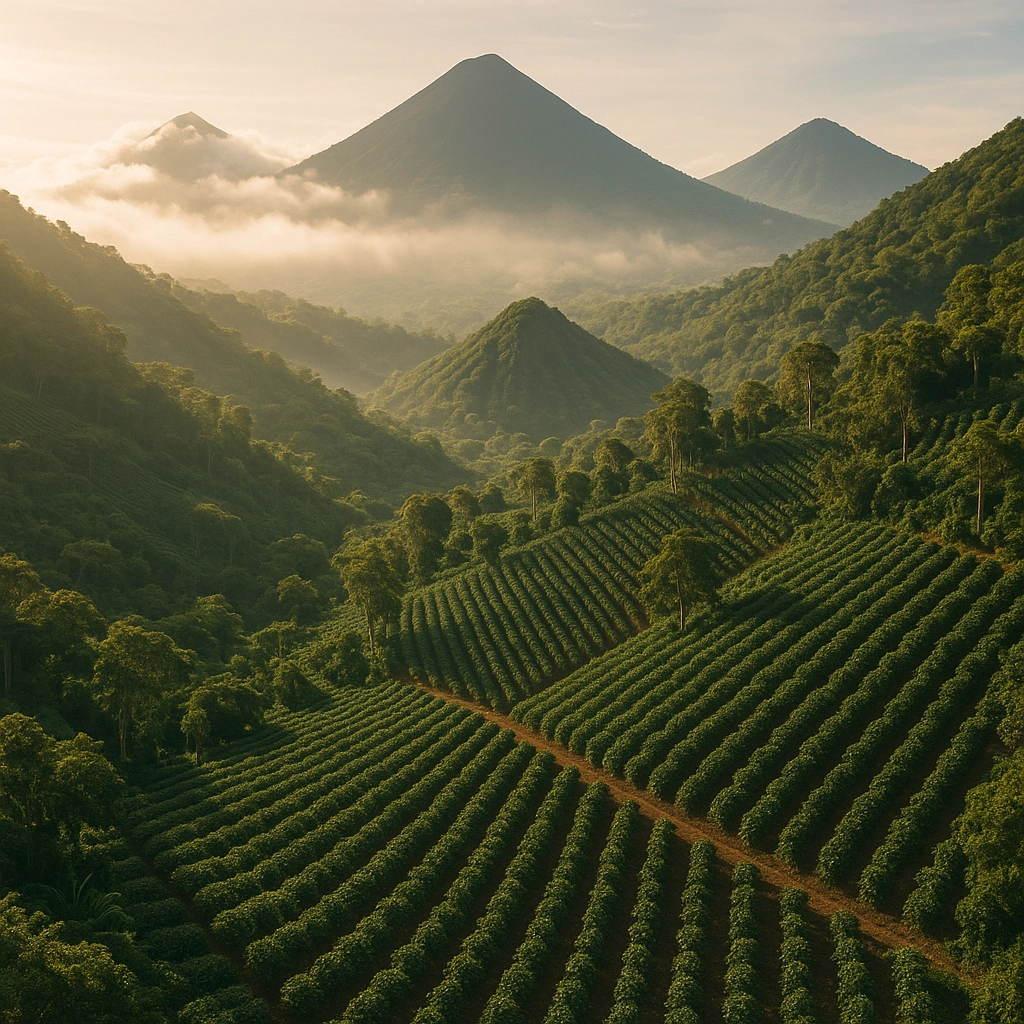
Location & Elevation: South-central region near Antigua; 4,200–5,250 feet
Climate & Soil: Active Pacaya volcano provides fresh volcanic soil, frequent volcanic activity enriches minerals
Typical Flavor Notes: Caramel sweetness, clean cup, bright but not sharp
Acidity Level: Medium-bright with excellent balance
Best Brewing Methods: Versatile across all brewing methods. The clean cup and caramel sweetness work equally well in espresso, pour-over, drip, and French press. A reliable choice for everyday drinking.
Fraijanes produces consistently excellent coffee with approachable flavor profiles. The active volcanic soil creates distinctive sweetness without overwhelming complexity.
5. Acatenango Valley

Location & Elevation: Between Fuego and Acatenango volcanoes; 5,000–6,500 feet
Climate & Soil: Volcanic soil from active Fuego volcano, dramatic temperature swings between day and night
Typical Flavor Notes: Wine-like acidity, complex fruit, sometimes floral or spice
Acidity Level: Bright to sharp—pronounced acidity
Best Brewing Methods: Best appreciated in pour-over or siphon methods that showcase complexity. Medium-light roasts preserve the unique characteristics. Adventurous espresso drinkers may enjoy the bright, intense shots.
Acatenango Valley coffees appeal to experienced coffee drinkers seeking something distinctive. The dramatic terroir creates polarizing profiles—either loved intensely or found too sharp.
6. Atitlán
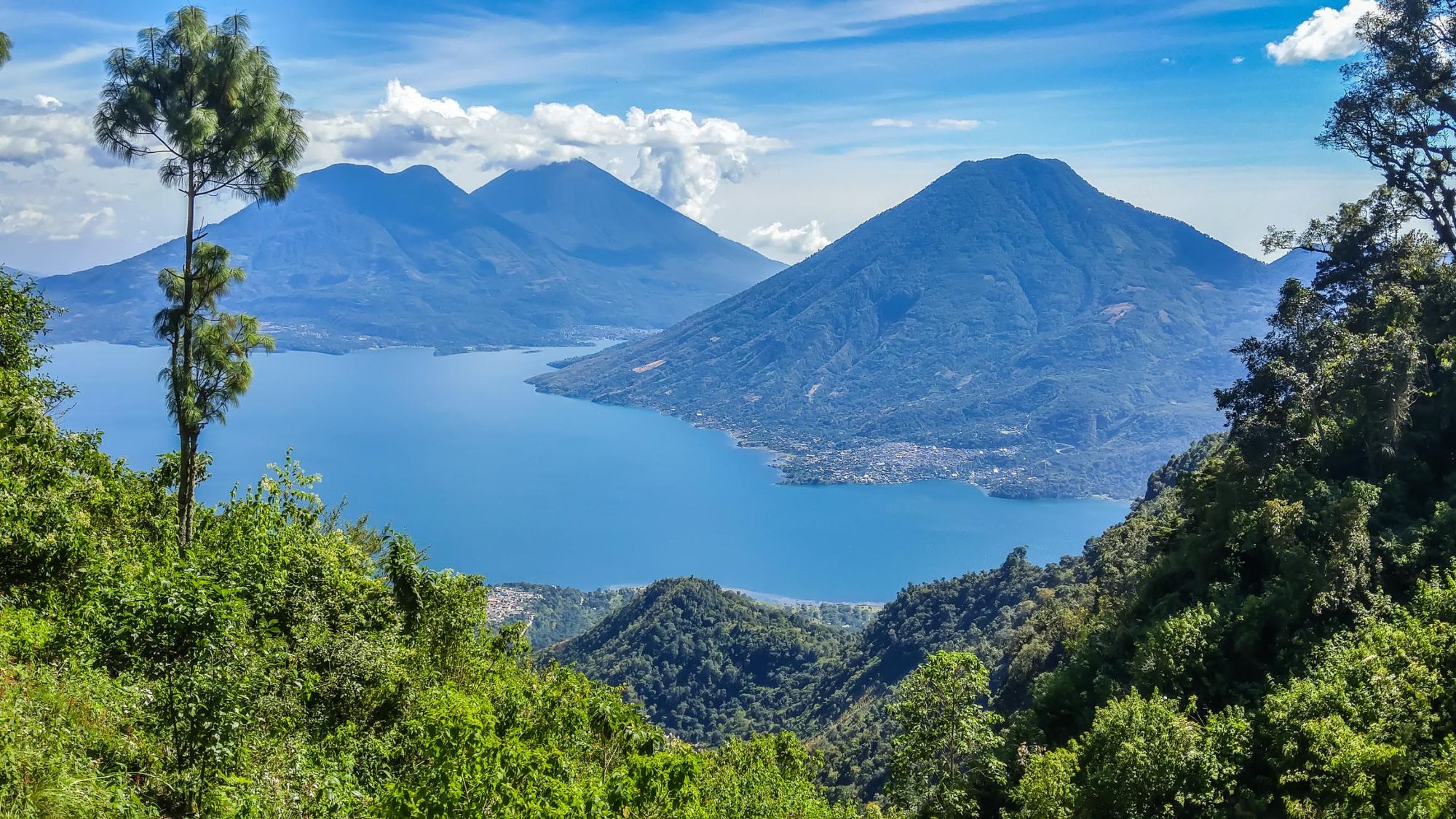
Location & Elevation: Volcanic slopes around Lake Atitlán; 4,900–5,900 feet
Climate & Soil: Rich volcanic soil, lake microclimate creates consistent temperatures and humidity
Typical Flavor Notes: Citrus, chocolate, spice—balanced complexity
Acidity Level: Medium with good balance
Best Brewing Methods: The balanced profile works across brewing methods. Particularly good for drip coffee where citrus brightness and chocolate body both come through. Also suitable for espresso blends.
Atitlán's lake-influenced microclimate creates unique growing conditions found nowhere else in Guatemala. The resulting coffees balance fruit and chocolate characteristics without favoring either extreme.
7. Cobán

Location & Elevation: Northern region with cloud-forest conditions; 4,300–5,000 feet
Climate & Soil: Cloudy, humid, rainy year-round; limestone and clay soil
Typical Flavor Notes: Gentle sweetness, soft chocolate, sometimes wine-like undertones
Acidity Level: Low to medium—softer acidity than most Guatemalan regions
Best Brewing Methods: Cobán coffees work well for those seeking low-acid options. Excellent in drip coffee, cold brew, and French press. The soft profile makes it easy-drinking for sensitive stomachs.
Cobán's unique climate (constant cloud cover and rain) creates growing conditions unlike other Guatemalan regions. The resulting coffees offer approachable, gentle profiles without sharp edges.
8. Nuevo Oriente

Location & Elevation: Eastern region near Honduras border; 4,300–5,900 feet
Climate & Soil: Volcanic soil, cloudy with good rainfall, metamorphic rock influences
Typical Flavor Notes: Balanced chocolate and berry, smooth finish, sometimes nutty
Acidity Level: Medium—neither bright nor flat
Best Brewing Methods: Versatile everyday coffee that performs reliably across all brewing methods. Good for office drip brewers, home espresso machines, and pour-over. The balanced profile doesn't demand specific preparation.
Nuevo Oriente flies under the radar compared to Antigua or Huehuetenango, but produces consistently good coffee at various price points. The balanced profile makes it ideal for blends and everyday drinking.
Quick Comparison – Guatemala Coffee Regions

Choosing a Region Based on Taste Preference
If You Like Chocolate & Low Acidity
Start with Antigua for classic chocolate and cocoa notes with balanced acidity that won't overwhelm your palate. The medium body and reliable sweetness make it approachable for espresso or milk-based drinks.
Fraijanes Plateau offers similar chocolate characteristics with added caramel sweetness and slightly brighter acidity. The clean cup makes it versatile across brewing methods.
Cobán provides the lowest acidity among Guatemalan regions while maintaining gentle chocolate undertones. Ideal if you experience stomach sensitivity or simply prefer mellow coffee.
If You Like Bright, Fruity Coffee
Huehuetenango delivers Guatemala's brightest, most complex acidity with pronounced citrus, stone fruit, and floral characteristics. This region produces award-winning coffees that showcase what high-elevation growing conditions can achieve.
Acatenango Valley creates wine-like acidity and fruit-forward complexity for adventurous palates. The dramatic volcanic terroir produces distinctive profiles that stand out in tastings.
San Marcos brings fruity boldness with tropical characteristics that differ from the citrus brightness found at higher elevations. Good for those who want fruit flavors without sharp acidity.
If You Want Balanced & Versatile
Atitlán balances citrus brightness with chocolate body, creating complexity without extremes. The lake microclimate produces reliable, crowd-pleasing profiles.
Nuevo Oriente offers straightforward balance between chocolate and berry notes with smooth finishes. Perfect for everyday drinking when you want good coffee without demanding specific preparation.
Fraijanes works across preferences with its clean sweetness and medium-bright acidity. The caramel characteristics appeal to both chocolate lovers and those seeking brighter profiles.
Regions vs Brewing Methods

Different brewing methods emphasize or minimize regional characteristics. Matching region to method helps you maximize flavor potential:
Espresso benefits from chocolate-forward, medium-acidity regions. Antigua and Fraijanes create sweet, balanced shots with good crema. Atitlán works well in espresso blends. Avoid extremely bright regions like Huehuetenango unless you specifically want high-acid espresso.
Pour-over (V60, Chemex, Kalita) showcases brightness and complexity. Huehuetenango, Acatenango, and San Marcos shine in these methods where clarity and fruit characteristics come through cleanly. Medium-light roasts preserve delicate flavors.
Drip coffee works with any region but particularly suits balanced profiles. Nuevo Oriente, Atitlán, and Fraijanes produce reliable results in automatic brewers without requiring precise technique.
Milk-based drinks need body and sweetness to cut through dairy. Antigua's chocolate notes and medium acidity create excellent lattes and cappuccinos. Fraijanes' caramel sweetness also pairs well with milk.
For guidance on maximizing specific brewing methods, explore our best Guatemalan coffee beans for espresso guide and low-acid Guatemalan coffee recommendations.
Single-Origin vs Regional Blends

Single-origin coffees from specific Guatemalan regions allow you to experience terroir directly. When a bag specifies "Huehuetenango" or "Antigua," you're tasting how that location's unique conditions shape flavor. Single-origins work best for pour-over and careful preparation that highlights regional characteristics.
Regional blends combine beans from multiple Guatemalan areas to create balanced profiles that perform reliably across brewing methods. A roaster might blend Antigua's chocolate body with Huehuetenango's brightness to create complexity with approachability. Blends excel in espresso and drip coffee where consistency matters more than showcasing specific terroir.
Neither approach is superior—they serve different purposes. Single-origins satisfy curiosity about how place affects taste. Blends optimize for consistent daily drinking.
Looking for a complete overview of Guatemalan coffee? Start with our Guatemalan coffee guide.
FAQ
Which Guatemalan region is best for espresso?
Antigua produces the most espresso-friendly profile with chocolate notes, balanced acidity, and medium body that creates sweet shots with good crema. Fraijanes Plateau also works well with its caramel sweetness and clean cup. Avoid extremely bright regions like Huehuetenango unless you specifically want high-acid espresso.
Which region produces low-acid coffee?
Cobán offers the lowest acidity among Guatemalan regions due to its cloudy, humid climate and lower elevation. The soft chocolate profile makes it ideal for those with acid sensitivity. Antigua and Nuevo Oriente also provide moderate acidity that's less sharp than high-elevation regions.
Are Guatemalan coffee regions similar to Colombian regions?
Both countries use regional classifications, but the systems differ. Guatemala's eight regions have more dramatic elevation and volcanic soil variations within a smaller geographic area. Colombian regions span a larger country with more diverse climates. Guatemalan coffees generally show brighter acidity and more pronounced chocolate notes, while Colombian coffees often emphasize balance and smoothness. The regional concept is similar, but specific flavor outcomes differ significantly.