Baking Soda in Coffee: How to Make Low Acid Guatemala Coffee

Stomach pain should not be part of your morning routine.
For many people, acidic coffee turns a daily habit into discomfort. Heartburn, bloating, or acid reflux often come from coffee acidity, not caffeine itself. Switching to tea or expensive low-acid blends feels like the only option—but it isn’t.
A simple kitchen trick can help.
Adding a small amount of baking soda in coffee can reduce acidity while keeping the flavor intact. When done correctly and paired with the right beans, this method creates low acid coffee that tastes smooth, rich, and balanced.
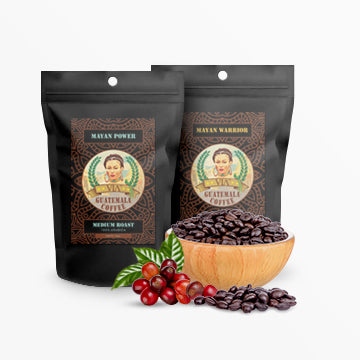
Guatemala coffee happens to be the best match for this approach.
The Science Behind Baking Soda in Coffee
Coffee is naturally acidic. Most brews sit around a pH of 5, which gives coffee its brightness but also irritates sensitive stomachs.
Baking soda (sodium bicarbonate) is alkaline. When you add a tiny amount of baking soda in coffee, it neutralizes excess acid and raises the pH slightly. The result is a smoother cup without stripping away flavor.
Baking soda in coffee benefits:
-
Helps reduce heartburn and acid reflux
-
Lowers coffee acidity without special processing
-
Creates a smoother, rounder mouthfeel
-
Makes acidic coffee easier to drink daily
Used properly, this method improves comfort without turning coffee into something flat or salty.
Why Guatemala Coffee Works Best for Low Acid Coffee
 Not all coffee beans react the same way to baking soda.
Light roasts and fruit-forward beans depend heavily on acidity for flavor. Neutralizing them often kills their character. That’s why many people fail with this method.
Guatemala coffee is different.
Guatemalan arabica coffee is known for:
-
Cocoa and dark chocolate notes
-
Caramel sweetness
-
Nutty, full-bodied flavor
These deeper flavors hold up even when acidity is reduced. When you lower coffee acidity with baking soda, Guatemala coffee actually tastes richer instead of dull.
This makes it ideal for anyone seeking low acid coffee without losing flavor.
Choosing the Best Coffee Beans for This Method

Roast level matters as much as the beans themselves.
-
Dark roast coffee is naturally lower in acid than light roast
-
Roasting breaks down compounds that cause stomach irritation
-
Darker roasts pair better with baking soda in coffee
For this technique, a Guatemala dark roast works best. Beans grown in volcanic soil develop bold structure, making them perfect for acidity reduction.
This approach also aligns well with specialty coffee standards, where balance and drinkability matter more than sharp acidity.
The Recipe: How to Add Baking Soda to Coffee Correctly

Precision matters. Too much baking soda will ruin the taste.
What you need:
-
1 cup brewed Guatemala coffee (8 oz)
-
Regular baking soda (not baking powder)
Steps:
-
Brew your coffee using your usual method
-
Add 1/16 teaspoon of baking soda (a very small pinch)
-
Stir until fully dissolved (light bubbling is normal)
-
Drink and notice the smoother, low-acid finish
Brewing a full pot:
-
For 6 cups, add ¼ teaspoon of baking soda directly to the grounds before brewing
This treats the entire batch evenly and keeps the flavor consistent.
Important Tips to Avoid Ruining Your Coffee
-
Never use baking powder – it contains additives that destroy coffee flavor
-
Start small – you can add more, but you can’t fix too much
-
Use quality arabica coffee – cheap beans amplify off-flavors
When done right, baking soda in coffee enhances comfort without masking coffee flavor.
Low Acid Coffee Without Compromise
You don’t need to give up coffee to avoid discomfort.
By combining the natural richness of Guatemala coffee with a controlled amount of baking soda, you get a smooth, stomach-friendly cup that still tastes like real coffee.
This method works because it respects both coffee acidity and coffee flavor—not because it hides them.
If you enjoy chocolate-forward, full-bodied coffee but struggle with acidic coffee, this approach is worth trying.