Afternoon Coffee: How to Enjoy It Without Ruining Your Sleep
 There is a specific kind of magic in the afternoon coffee ritual. It’s that transition point where the morning’s frantic energy settles into a steady rhythm. However, for many, that 3:00 PM cup comes with a side of "caffeine guilt"—the fear that a mid-day treat will lead to a wide-awake midnight.
The truth? You can absolutely enjoy coffee in the afternoon. The secret isn't necessarily quitting caffeine; it's about choosing a low caffeine coffee profile and understanding how bean quality affects your body differently later in the day.
Is It Bad to Drink Coffee in the Afternoon?
A common question among coffee lovers is: is it bad to drink coffee in the afternoon? The short answer is no, but the nuance lies in your biological clock.
Caffeine works by blocking adenosine, the chemical in your brain that signals it's time to sleep. If you drink a high-caffeine, low-quality blend late in the day, you might feel "wired but tired"—physically energized but mentally exhausted. However, coffee itself isn't the enemy; the issue is usually the dosage and the roast.
The "Cut-Off" Rule
While everyone’s metabolism is different, most experts suggest a caffeine cut-off about 8 to 10 hours before bed. If you’re a 10:00 PM sleeper, your afternoon cup is perfectly fine, provided you aren't over-leveraging high-caffeine Robusta beans.
Is It Okay to Drink Coffee in the Afternoon?
Actually, it’s often more than "okay"—it can be beneficial. The post-lunch slump is a real physiological dip in alertness. Drinking coffee in the afternoon can bridge the gap between your lunch break and the end of the workday, providing a much-needed boost to executive function and creativity.
The key is moving away from "habitual drinking" (the mindless refills) toward intentional drinking. In the afternoon, you should prioritize a smoother, lighter-bodied cup that feels more like a ritual and less like a survival tactic.
Which Coffee Has Low Caffeine?
If you want the flavor without the 2:00 AM ceiling-staring, you need to know which beans naturally carry less of a punch.
Arabica vs. Robusta: Why This Matters
If you are looking for low caffeine coffee, always check the label for 100% Arabica.
-
Arabica beans (like those grown in the high altitudes of Guatemala) naturally contain about half the caffeine of Robusta beans.
-
Robusta is often used in "high-energy" commercial blends and can lead to the jitters.
Roast Level and Caffeine Myths
Many people assume dark roast is "stronger." In reality, the roasting process actually burns off a tiny amount of caffeine. While the flavor is bolder, a medium roast often provides the best balance for the afternoon—offering a complex flavor profile that encourages slow sipping rather than gulping.
Brewing Style Matters
A giant 16oz mug of drip coffee contains significantly more caffeine than a single shot of espresso or a small pour-over. In the afternoon, size matters more than the clock.
Does Low Acid Coffee Have Less Caffeine?
There is a common misconception that low acid coffee is also low in caffeine.
Technically, acidity and caffeine are two different chemical components. However, they are often linked in how they make you feel. High-acid coffees can cause digestive restlessness, which, when combined with caffeine, makes you feel more anxious or "jittery."
Guatemalan coffees are prized for being naturally balanced. Because they are grown in volcanic soil at high altitudes, they often possess a smooth, low-acid profile that feels gentler on the stomach, making the caffeine intake feel less "spiky."
What Coffee Do Italians Drink in the Afternoon?
We can learn a lot from Italian coffee culture. You will rarely see an Italian carrying a massive paper cup of coffee at 4:00 PM. Instead, they opt for a Macchiato or a simple Espresso.
The lesson? Less volume, more intention. By drinking a smaller, high-quality concentrated dose of 100% Arabica, they enjoy the sensory experience and a small metabolic lift without overloading their system with fluid and excess caffeine.
Afternoon Coffee vs. Tea: A Quick Comparison
Some switch to English Breakfast tea in the afternoon to save their sleep. While tea generally has less caffeine than a standard cup of drip coffee, a well-selected low caffeine Arabica can actually be comparable. Furthermore, coffee provides a specific type of cognitive focus that the theine in tea doesn't always replicate.
What to Serve With Coffee in the Afternoon
The right pairing can actually help stabilize your energy levels and prevent a sugar crash.
Light Sweet Pairings
-
Biscotti or Cantucci: Designed for dipping, these provide a crunch without being overly sugary.
-
Dark Chocolate: The magnesium in dark chocolate complements the coffee’s antioxidants.
Savory Options
-
Toasted Almonds or Walnuts: The healthy fats slow down the absorption of caffeine, leading to a steadier release of energy.
-
Mild Cheeses: A classic European pairing that turns coffee into a sophisticated snack.
Pro Tip: Avoid heavy, syrupy pastries in the afternoon. The combination of high sugar and caffeine creates a massive energy spike followed by an aggressive crash around 5:00 PM.
Best Type of Afternoon Coffee: Your Checklist
To enjoy your brew and your sleep, follow this simple checklist:
-
100% Arabica: Lower natural caffeine content.
-
Medium Roast: Balanced flavor, not too heavy.
-
Low Acid Profile: Easier on the digestion later in the day.
-
Small Portions: Think 6–8oz rather than 16–20oz.
-
Quality Over Quantity: Choose beans with a clear origin, like those from the Antigua or Huehuetenango regions.
\
Who Should Choose Low Caffeine Coffee?
Low caffeine options aren't just for the "caffeine sensitive." They are ideal for:
-
Creatives who need focus without the hand tremors.
-
Late-night workers who want a ritual but need to sleep eventually.
-
Foodies who want to pair coffee with a mid-day dessert.
\
FAQ: Afternoon Coffee Quick Facts
Can you drink coffee in the afternoon?
Yes. As long as it is consumed in moderation and ideally 8+ hours before sleep, it is a perfectly healthy habit.
Is it bad to drink coffee in the afternoon?
It is only "bad" if it interferes with your sleep hygiene or causes digestive upset. Choosing low-acid Arabica beans usually solves these issues.
Which coffee has the lowest caffeine?
100% Arabica beans, particularly those grown at high altitudes, naturally contain less caffeine than Robusta beans.
What time should you stop drinking coffee?
Most people find that 2:00 PM or 3:00 PM is the "sweet spot" to ensure caffeine is metabolized before bedtime.
Conclusion
Afternoon coffee doesn't have to be a guilty pleasure. When you shift your focus to quality—specifically seeking out smooth, low-acid, 100% Arabica beans—you can enjoy the ritual without the repercussions.
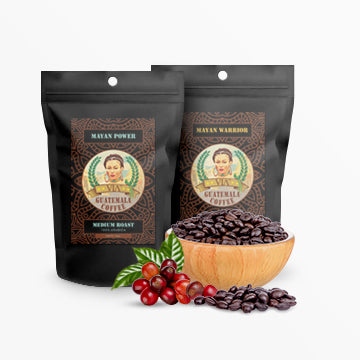
At Via Guatemala Coffee, we believe the best cup is the one that fits your life. Our Guatemalan beans are naturally balanced and smooth, making them the perfect companion for those who want to savor their afternoon without sacrificing their night.